Get Trench Installation
Trench installation services help property owners install or repair underground utilities, drainage systems, or irrigation lines through skilled local contractors.
If you're considering trench installation for your property, you're in the right place to explore your options. Proper trenching can be essential for a variety of projects, such as installing new utilities, drainage systems, or irrigation lines. Property owners in the area often seek out experienced local contractors to ensure the work is done efficiently and correctly, helping to safeguard the integrity and functionality of their land.
As you plan your project, comparing local service providers can help identify the right partner for your needs. Many property owners find value in consulting with local pros who understand the specific requirements of the area, ensuring that the trench installation aligns with local regulations and site conditions. Keep reading to learn more about how local contractors can assist with your trenching project.
- Commercial properties - businesses that need durable trench work for utility lines or drainage systems.
- Residential homes - homeowners requiring trenching for foundation repairs, landscaping, or irrigation setups.
- Industrial sites - facilities needing extensive trench installation for power, water, or gas lines.
- Public infrastructure - municipalities seeking trench work for roadwork, sewer lines, or public utilities.
- New construction projects - builders and developers requiring trenching services during the early phases of development.
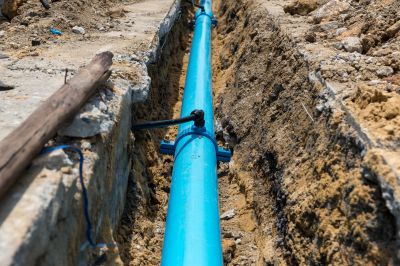
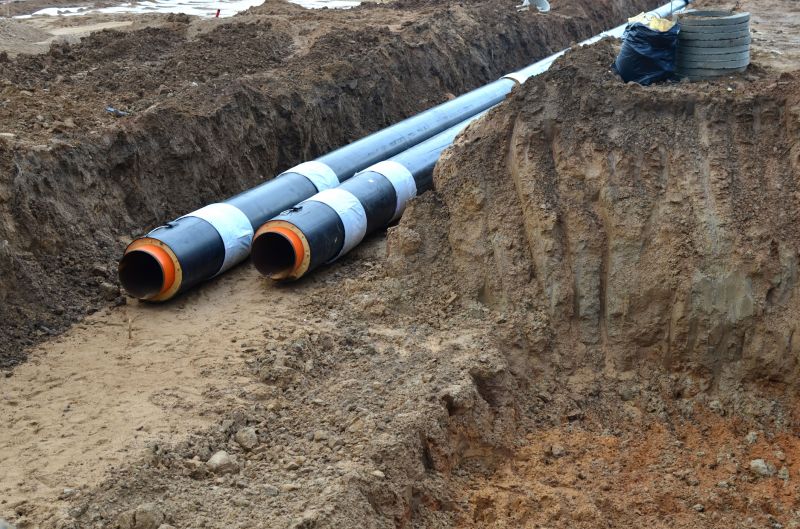
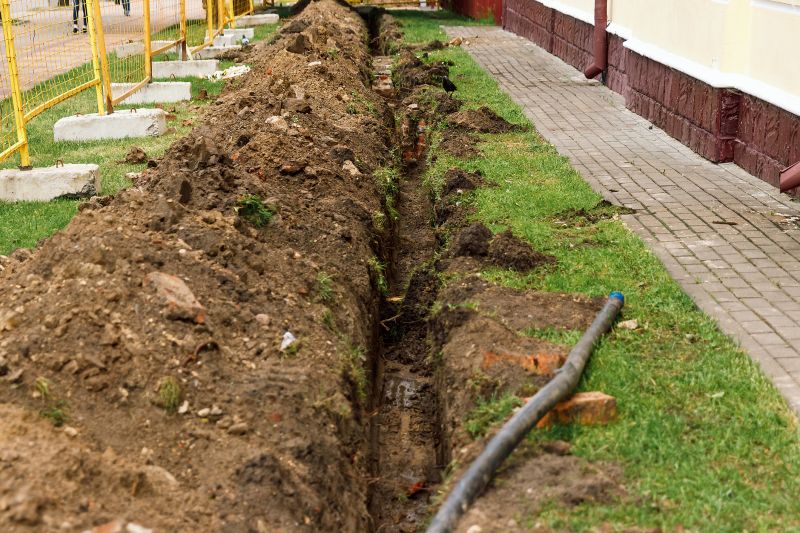
Trench installation services involve digging and constructing trenches to serve various practical purposes around a property. This process typically includes excavating narrow, deep channels in the ground, which can be used for laying utility lines such as water, gas, electrical cables, or drainage systems. Skilled contractors ensure that trenches are dug to proper depth and width, with appropriate slopes and supports to prevent collapse or damage. Proper installation of trenches is essential for creating a safe and reliable infrastructure that supports the property's functionality and safety.
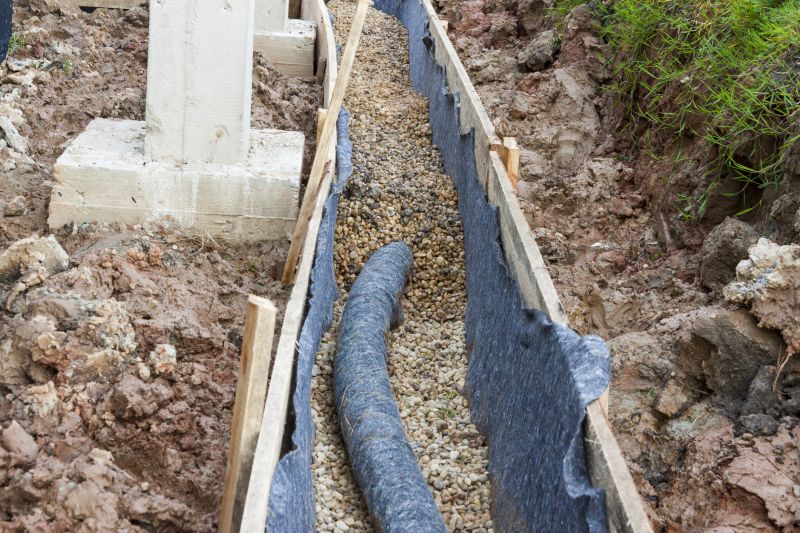
One of the main problems that trench installation helps address is managing water runoff and drainage issues. Poor drainage can lead to water pooling, soil erosion, or flooding, which may damage foundations or landscaping. Trenches can be used to install drainage pipes or French drains that redirect excess water away from the property. Additionally, trenches are often necessary for installing underground utilities, preventing the need for disruptive surface work later on. By providing a clear pathway for utilities and water management, trench installation helps maintain the property's stability and reduces the risk of water-related damage.
Properties that frequently utilize trench installation services include residential homes, commercial buildings, and landscaping projects. Homeowners may need trenches for installing new irrigation systems, underground wiring, or drainage solutions to improve yard safety and functionality. Commercial properties often require more extensive trench work for complex utility networks or infrastructure upgrades. Landscaping projects, especially large-scale ones, can benefit from trenches to facilitate irrigation, drainage, or the installation of outdoor lighting and features. Overall, any property that requires underground utilities or water management solutions may find trench installation services to be a vital part of their project.
Local contractors offering trench installation services are equipped to handle a variety of property types and project sizes. They typically assess the specific needs of each site, considering soil conditions, property layout, and the intended purpose of the trenches. These professionals ensure that the work complies with safety standards and local regulations, providing a durable and effective solution. Whether for a small residential yard or a large commercial site, experienced service providers can deliver efficient trench installation to support ongoing maintenance, utility upgrades, or landscape improvements. Contacting local pros can help property owners find the right expertise for their trenching needs.
The overview below groups typical Trench Installation projects into broad ranges so you can see how smaller, mid-sized, and larger jobs often compare in your area.
In many markets, a large share of routine jobs stays in the lower and middle ranges, while only a smaller percentage of projects moves into the highest bands when the work is more complex or site conditions are harder than average.
Smaller Repairs - Minor trench repairs or adjustments typically cost between $250 and $600. Many routine jobs fall within this range, depending on the scope and materials needed.
Standard Installation - Installing new trenches for drainage or utilities generally ranges from $1,000 to $3,000. Most projects in this category are priced within this band, with fewer exceeding higher amounts.
Full Replacement - Replacing an existing trench system can cost between $3,500 and $7,000, especially for larger or more complex projects. Larger, more involved jobs can sometimes reach $10,000+.
Complex or Custom Projects - Custom trench solutions or extensive installations may vary widely, often exceeding $10,000. Local contractors can provide estimates based on the specific requirements of each project.
Actual totals will depend on details like access to the work area, the scope of the project, and the materials selected, so use these as general starting points rather than exact figures.
Underground Utility Line Installation - this project involves trenching to lay utility lines such as water, gas, or electrical cables, requiring similar excavation skills and planning.
Drainage System Installation - installing drainage pipes and systems often involves trenching and careful coordination to ensure proper water flow and site stability.
Foundation Excavation - preparing for building foundations involves precise trenching and excavation work, similar to trench installation techniques.
Irrigation System Setup - installing underground irrigation lines requires trenching, careful routing, and knowledge of underground utilities.
Stormwater Management Projects - creating systems to manage runoff involves trenching for piping and infiltration structures, utilizing similar planning and tools.
Cable and Fiber Optic Line Placement - laying communication cables underground involves trenching and careful handling to protect sensitive infrastructure.
When evaluating potential service providers for trench installation, it’s important to consider their experience with similar projects. Homeowners should inquire about the types of trenches the contractor has installed in the past and whether they have worked on projects comparable in scope and complexity. An experienced local contractor will typically have a track record of handling projects similar to the one at hand, which can provide confidence in their ability to meet expectations and navigate potential challenges effectively.
Clear, written expectations are essential for ensuring that both the homeowner and the contractor are aligned on the project’s scope, materials, and outcomes. When comparing options, it’s beneficial to review detailed proposals or estimates that outline the work to be performed, timelines, and any assumptions or exclusions. This transparency helps prevent misunderstandings and provides a solid basis for decision-making, ensuring that the project proceeds smoothly and as planned.
Reputable references and good communication are key indicators of a reliable local service provider. Homeowners should seek out contractors who can provide references from previous clients with similar projects, offering insights into their work quality and professionalism. Additionally, responsive and clear communication throughout the process can make a significant difference in the overall experience, helping to address questions or concerns promptly. It’s important to remember that this site introduces homeowners to local options, which can then be further evaluated based on these criteria, rather than performing the work directly.
Property owners use Trench Installation services for practical projects around their homes and businesses. This guide focuses on everyday jobs and straightforward project options.
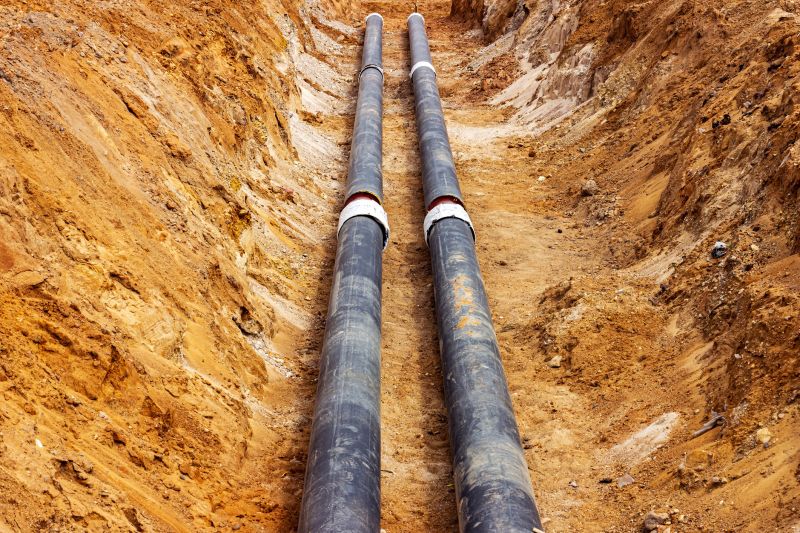
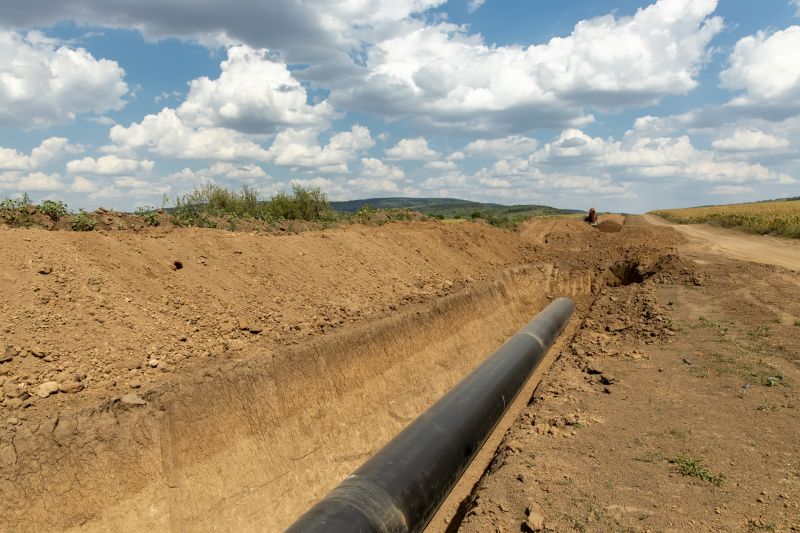
Trench installation services are often needed for a variety of everyday property projects, such as installing new irrigation systems, underground utilities, or drainage solutions. Property owners in the area may seek out local contractors to help with these tasks when preparing a yard for landscaping or ensuring proper water management around their homes. These projects typically require careful excavation and precise trenching to accommodate pipes, cables, or other infrastructure components, making experienced local service providers a practical resource for completing the work efficiently.
In addition, property owners might look for trench installation services when upgrading or repairing existing systems, or when undertaking new construction projects. Whether installing a new sprinkler system or rerouting utility lines, local contractors can provide the necessary expertise to handle the job safely and effectively. Connecting with nearby service providers ensures that trench work is completed reliably, supporting the ongoing maintenance and improvement of residential or commercial properties.
What types of trenches do local contractors install? Local service providers typically install various types of trenches, including utility trenches, drainage trenches, and foundation trenches, depending on the project requirements.
How do professionals prepare for trench installation projects? Contractors assess soil conditions, plan the trench layout, obtain necessary permits, and ensure safety measures are in place before beginning excavation.
What equipment is used during trench installation? Common equipment includes excavators, trenchers, shovels, and compaction tools to ensure precise excavation and proper backfilling.
Are there specific safety precautions that local pros follow during trench work? Yes, trained contractors follow safety protocols such as shoring, sloping, and using protective gear to prevent collapses and accidents.
What factors influence the choice of trench depth and width? Factors include the purpose of the trench, soil type, load requirements, and local building codes that guide proper dimensions for safety and functionality.
Drainage Improvement - Installing a trench can help redirect excess water away from foundations, preventing water damage and pooling in yards.
Foundation Protection - Proper trench installation can create a barrier that safeguards a basement or crawl space from moisture intrusion.
Landscape Drainage Solutions - Trenches can be used to manage runoff and improve overall yard drainage for better outdoor usability.
Erosion Control - Creating trenches helps stabilize slopes and prevent soil erosion around the property.
If you are thinking about Trench Installation for a property, this guide is meant to help you understand the work, the typical project types, and how different options might fit your plans.
When you are ready, you can use the quote form on this page to share a few details about your project. From there, local pros can review the basics and respond with options that match what you have in mind.