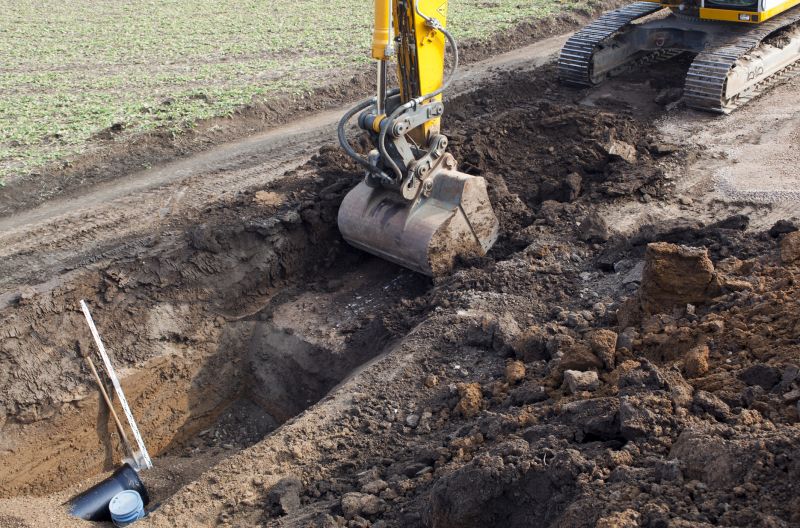
Backhoe Trenching in Atlanta, GA
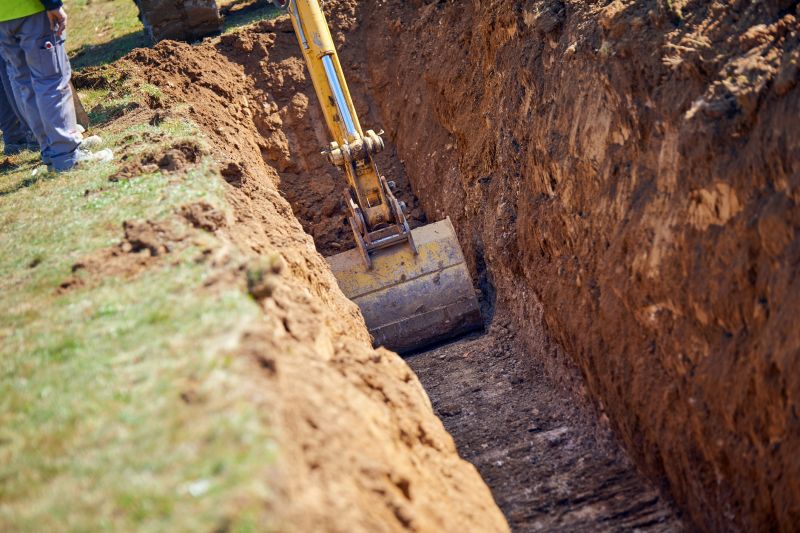
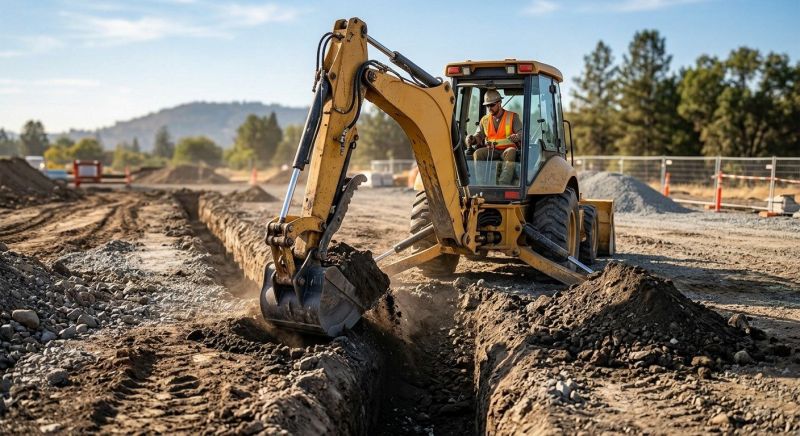
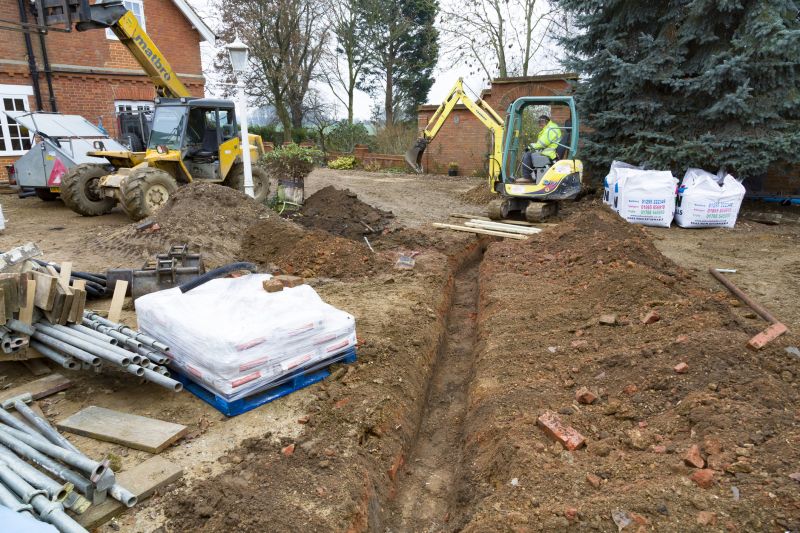
Backhoe trenching services involve the use of a backhoe excavator to create narrow, deep trenches in the ground. This process is commonly used for installing underground utilities such as water lines, sewer pipes, electrical cables, or drainage systems. Property owners often request this service for projects that require precise excavation in yards, driveways, or other landscaped areas, ensuring the trenches are dug efficiently and with minimal disruption to surrounding surfaces.
Before requesting backhoe trenching, property owners should consider the location and scope of the project, including the depth and length of the trenches needed. It is also helpful to understand existing underground utilities and obtain any necessary permits. Clear communication about the project’s requirements can help ensure the trenching work aligns with property needs and local regulations.
Many property owners in Atlanta, GA look into Backhoe Trenching for repairs, replacements, upgrades, and appearance-related improvements.
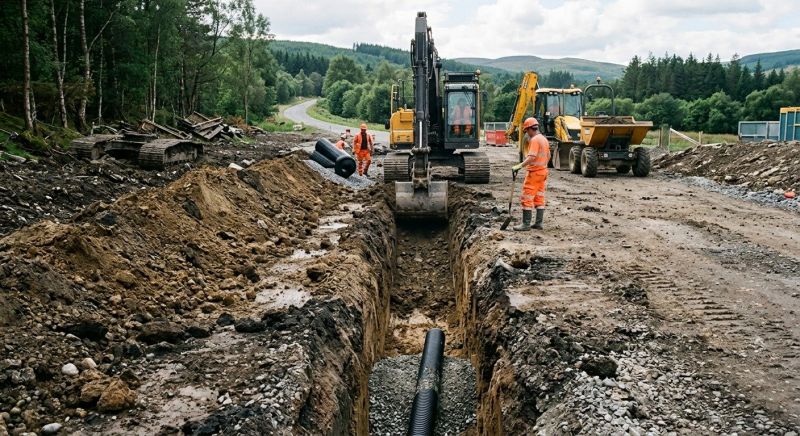
Residential Trenching Solutions
Backhoe trenching is often used for installing utility lines, drainage systems, and irrigation in atlanta properties.
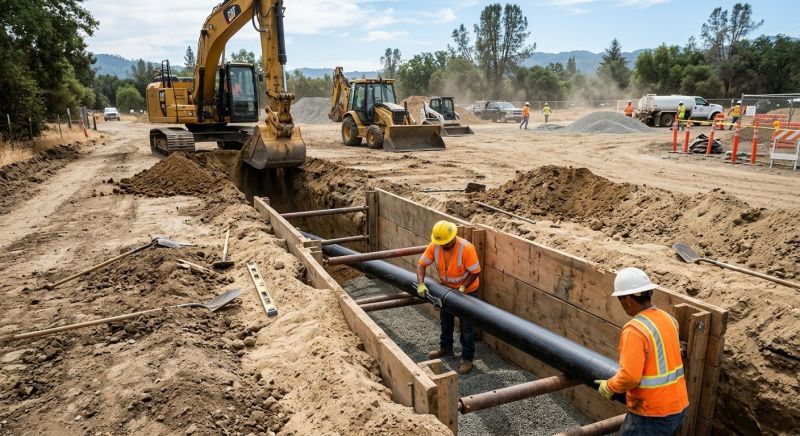
Efficient Excavation For Landscaping
Property owners frequently rely on backhoe trenching to prepare yards for new landscaping or hardscaping projects.
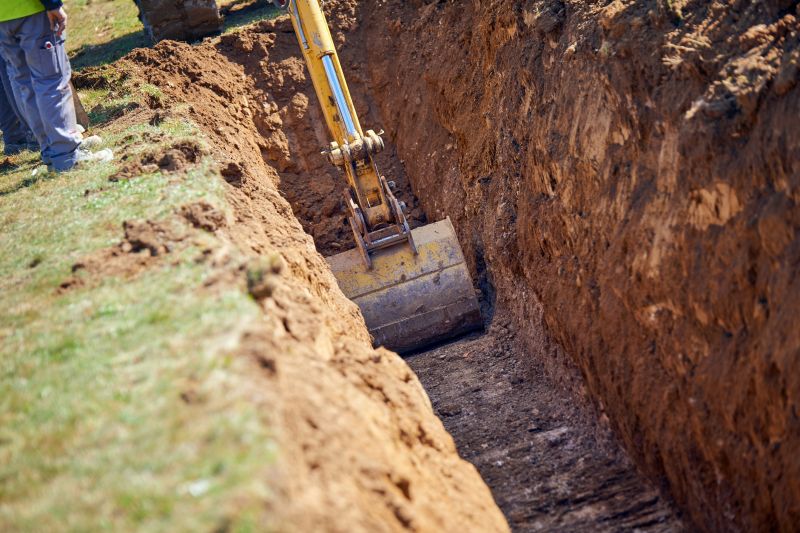
Foundation And Utility Work
Backhoe trenching provides a precise method for laying foundations and underground utilities in residential and commercial sites.
Backhoe Trenching in Atlanta, GA

Backhoe trenching services involve the use of a backhoe excavator to create narrow, deep trenches in the ground. This process is commonly used for installing underground utilities such as water lines, sewer pipes, electrical cables, or drainage systems. Property owners often request this service for projects that require precise excavation in yards, driveways, or other landscaped areas, ensuring the trenches are dug efficiently and with minimal disruption to surrounding surfaces.
Before requesting backhoe trenching, property owners should consider the location and scope of the project, including the depth and length of the trenches needed. It is also helpful to understand existing underground utilities and obtain any necessary permits. Clear communication about the project’s requirements can help ensure the trenching work aligns with property needs and local regulations.
Many property owners in Atlanta, GA look into Backhoe Trenching for repairs, replacements, upgrades, and appearance-related improvements.
Common Backhoe Trenching Jobs
Drainage installation - trenches designed to direct water away from foundations and landscaping.
Utility line installation - precise trenching for underground electrical, water, or gas lines.
Foundation and footing trenches - excavations for building or repairing basement and foundation walls.
Landscape grading and irrigation - creating proper slopes and trenches for sprinkler systems.
Fence and retaining wall posts - trenching for secure installation of fencing and retaining structures.
Soil and debris removal - clearing trenches efficiently for safe and clean property conditions.
Backhoe Trenching Questions
What types of projects require backhoe trenching? Backhoe trenching is commonly used for installing utility lines, drainage systems, sprinkler systems, and foundation footings on residential and commercial properties.
Is backhoe trenching suitable for small-scale yard work? Yes, backhoe trenching can be effective for small to medium projects like fencing, irrigation, or landscaping that require precise digging.
What should property owners know before scheduling trenching services? It's important to identify underground utilities and clear the work area to ensure safe and efficient trenching operations.
Can backhoe trenching be used for drainage improvements? Yes, backhoe trenching is often used to install or repair drainage systems to help manage water flow on the property.
Request Backhoe Trenching in Atlanta, GA
Use the quote form on this page to share the basics of your project and request more information for the type of work you need.